

Nissan Rogue Trim Levels Explained
So, you’ve decided the Nissan Rogue is the right SUV for your Visalia lifestyle. Great choice! It’s fuel-efficient, packed with safety tech, and offers some of the best cargo versatility in its class. Now comes the critical question: which trim level is right for your driveway?
The Nissan Rogue is available in four distinct trim levels: S, SV, SL, and Platinum. While every Rogue comes standard with a potent 1.5L VC-Turbo® engine and Nissan Safety Shield® 360, the interior tech and comfort features vary significantly as you move up the line.
At Nissan of Visalia, we want to help you maximize your investment. Let’s break down what you get at every tier.
The Nissan Rogue S: The High-Value Entry
The entry-level S trim is designed for buyers who want the Rogue’s legendary reliability without the premium price tag. Even at this level, you aren’t “settling.” You get the full suite of safety tech and a modern infotainment system right out of the gate. Standard features include an 8-inch touchscreen with Apple CarPlay® and Android Auto™, 17-inch aluminum-alloy wheels, and LED headlights. On the safety front, you’re already covered with Automatic Emergency Braking, Blind Spot Warning, and Rear Cross Traffic Alert. This trim usually starts around $29,000, making it a fantastic value for a brand-new SUV.
The Nissan Rogue SV: The Crowd Favorite
For a modest jump in price to approximately $30,700, the SV adds the features most Central Valley drivers consider essential. This is where “convenience” becomes the priority. If you want a more relaxed commute on Highway 99, this is your starting point. The SV introduces ProPILOT Assist, which combines intelligent cruise control with steering assist to help you stay centered in your lane. You also gain an 8-way power driver’s seat, 18-inch wheels, and the Remote Engine Start system with Intelligent Climate Control, a lifesaver during our triple-digit summers in Visalia.
The Nissan Rogue SL: The Tech-Forward Choice
Moving up to the SL trim, which starts around $36,000, the Rogue enters “near-luxury” territory. It’s perfect for families who want maximum comfort and better visibility for tight parking spots. The interior gets a significant upgrade with leather-appointed seats, heated front seats, and a heated steering wheel. Tech-wise, you get the Intelligent Around View® Monitor, which provides a 360-degree bird’s-eye view of the vehicle, and a Motion-Activated Liftgate for when your hands are full of groceries. Newer models also feature a massive 12.3-inch HD touchscreen with Google Built-in for seamless navigation.
The Nissan Rogue Platinum: The Luxury Benchmark
If you want no compromises, the Platinum is your trim. Starting around $39,500, it rivals European luxury brands with its interior materials and advanced digital cockpit. You’ll enjoy quilted semi-aniline leather-appointed seats, a 12.3-inch Digital Dashboard, and a 10-speaker Bose Premium Audio System. The Platinum also includes a Head-Up Display (HUD) that projects your speed and navigation directly onto the windshield, along with wireless charging for a completely cord-free cabin.
Finding Your Perfect Match
Deciding which trim is right for you usually comes down to your daily priorities. If you are working with a strict budget and simply need a safe, reliable, and fuel-efficient commuter, the Rogue S offers everything you need for the lowest monthly payment.
For those who want the best balance of value and technology, we almost always recommend the Rogue SV. The addition of ProPILOT Assist and remote start makes a massive difference in your daily driving experience for a relatively small price increase.
If family comfort is your main goal, the Rogue SL is the way to go. The leather seats are much easier to clean after a spill, and the 360-degree camera makes navigating school drop-off zones much safer. Finally, if you want the absolute best of everything, including the most premium materials and cutting-edge tech, the Rogue Platinum is the ultimate expression of what a Nissan SUV can be.
Ready to see them in person?
The best way to decide is to sit in the driver’s seat and feel the difference between the premium cloth and the quilted leather for yourself.
Browse our New Nissan Rogue Inventory at Nissan of Visalia here!Whether you’re heading to Sequoia National Park for the weekend or just running errands around town, there is a Rogue built for your journey. Visit us today for a test drive and let our team help you find the perfect fit for your budget!

For many drivers, the oil change light on the dashboard can feel like a minor suggestion rather than a critical requirement. However, at Visalia Honda, we understand that routine oil maintenance is the single most important service you can perform to ensure your vehicle remains reliable for years to come. As a proud member of the Groppetti Auto Family, we have served the Visalia community for nearly 25 years with a commitment to excellence and expert care. Understanding the “why” and “when” of oil changes is essential for every Honda owner.
The Lifeblood of Your Engine
Think of motor oil as the lifeblood of your Honda’s engine. It serves several vital functions that keep your vehicle running smoothly:
- Lubrication: Your engine consists of thousands of high-speed moving parts. Oil creates a thin, protective barrier between these metal components, preventing friction that would otherwise lead to overheating and mechanical failure.
- Temperature Regulation: While coolant does much of the heavy lifting, motor oil also helps dissipate heat from the combustion chamber and engine block.
- Debris Removal: Over time, oil traps microscopic dirt, carbon deposits, and metallic shavings. Without regular changes, these contaminants turn into “sludge,” which can clog oil passages and cause internal damage.
Understanding Honda’s Recommended Intervals
One of the most frequent questions we receive at our service center is: “How often do I really need an oil change?” The answer varies depending on your Honda’s model, year, and the type of oil used.
Generally, older Honda models using conventional oil should be serviced every 5,000 to 7,500 miles. However, most modern Hondas are engineered to use full synthetic oil, which offers superior protection and can often extend intervals up to 7,500 or even 10,000 miles.
To take the guesswork out of maintenance, many newer models feature the Honda Maintenance Minder™ system. This onboard computer monitors your driving habits, engine temperature, and ambient conditions to notify you exactly when your oil life reaches a critical percentage.
The Central Valley Factor: Visalia Driving Conditions
Why Oil Changes Are So Important and How Often You Really Need One | Visalia Honda
Learn why regular oil changes are essential for your Honda, how often to schedule them, and how Visalia Honda keeps your engine running smoothly and efficiently.
Drivers in the San Joaquin Valley face unique challenges. In Visalia, our summer temperatures frequently soar above 100 degrees. High heat thins the oil and causes it to break down faster. Additionally, frequent stop-and-go driving on Ben Maddox Way or commuting on Highway 99 is considered “severe driving” by most manufacturer standards. If you spend significant time idling in traffic or driving in extreme heat, your Honda may require more frequent oil changes to maintain peak efficiency and prevent premature wear.
The Risks of Skipping Service
Ignoring your oil change schedule is a gamble with your vehicle’s longevity. The risks include:
- Decreased Fuel Efficiency: As oil thickens into sludge, the engine has to work harder, burning more fuel in the process.
- Voided Warranties: Failure to follow the manufacturer’s recommended maintenance schedule can complicate warranty claims should a major engine issue arise.
- Catastrophic Engine Failure: Without lubrication, engine parts can weld together due to friction, leading to a total engine seizure that costs thousands to repair.
The Visalia Honda Advantage
When you bring your vehicle to Visalia Honda, you aren’t just getting an oil change; you are getting certified expertise. We emphasize the use of Genuine Honda Motor Oil and Filters. Unlike generic aftermarket filters, Genuine Honda filters are designed specifically for your engine’s flow rate and filtration requirements, ensuring a perfect seal and optimal performance.
Our factory-trained technicians provide a level of discipline and passion that has defined the Groppetti Auto Family since 1994. We treat every vehicle with the confidence and care it deserves, ensuring you can drive away with peace of mind.
Schedule Your Service Today
Don’t wait for your engine to show signs of distress. Keep your Honda running like new by staying ahead of your maintenance schedule. Visit our expert team at Visalia Honda for a fast, professional, and educational service experience.
Frequently Asked Questions
How often should I change my Honda’s oil?
Older Honda models using conventional oil should be serviced every 5,000 to 7,500 miles. Most modern Hondas use full synthetic oil, which offers superior protection and can often extend intervals up to 7,500 or even 10,000 miles. Many newer models also feature the Honda Maintenance Minder system, which monitors your driving habits and engine conditions to notify you exactly when your oil life reaches a critical percentage.
What happens if I skip an oil change on my Honda?
Skipping oil changes can lead to decreased fuel efficiency as oil thickens into sludge and forces the engine to work harder. It can also complicate warranty claims if you fail to follow the manufacturer’s recommended maintenance schedule, and in severe cases can cause catastrophic engine failure where parts weld together due to friction, leading to a total engine seizure that costs thousands to repair.
Why does Visalia’s climate affect how often I need an oil change?
Visalia summer temperatures frequently soar above 100 degrees, which thins the oil and causes it to break down faster. Frequent stop-and-go driving on Ben Maddox Way or commuting on Highway 99 is considered severe driving by most manufacturer standards. If you spend significant time idling in traffic or driving in extreme heat, your Honda may require more frequent oil changes to maintain peak efficiency and prevent premature wear.
What type of oil filter does Visalia Honda use?
Visalia Honda uses Genuine Honda Motor Oil and Filters. Unlike generic aftermarket filters, Genuine Honda filters are designed specifically for your engine’s flow rate and filtration requirements, ensuring a perfect seal and optimal performance.
Image Credit: deepblue4 // Shutterstock
When to Replace Your Honda Battery
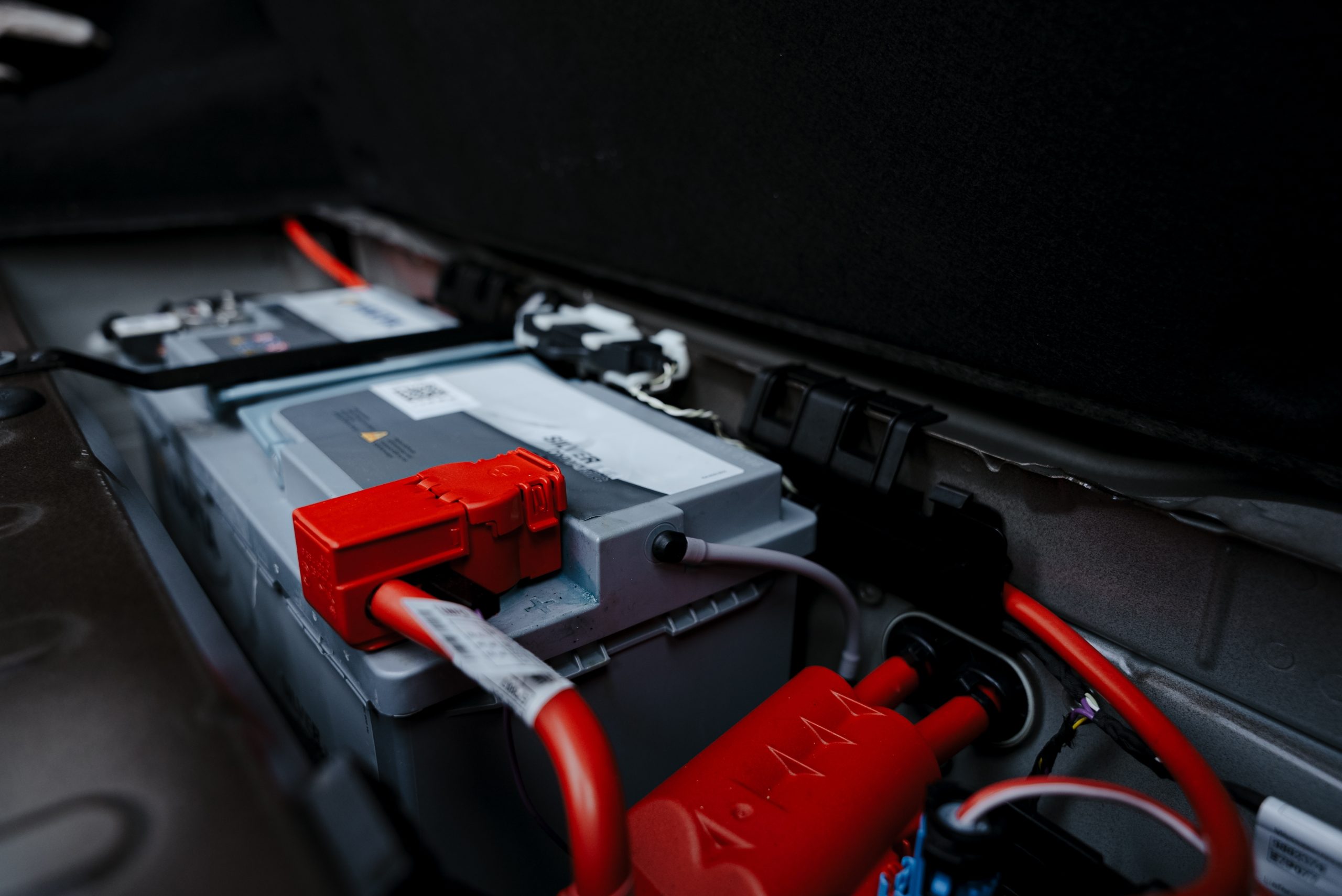
Your Honda is a marvel of engineering, designed to provide years of reliable transportation throughout the Central Valley. However, even the most dependable vehicle relies on a single, critical component to roar to life every morning: the battery.
At Visalia Honda, part of the Groppetti Auto Family, we believe in empowering our community with the knowledge needed to maintain their vehicles effectively. Understanding your battery’s lifespan and recognizing the early warning signs of failure can save you from the frustration of an unexpected breakdown.
The Lifespan of a Honda Battery
On average, a Honda battery lasts between three and five years. However, this timeframe is not set in stone. Several external factors can accelerate wear and tear:
- Climate: This is especially relevant for our local drivers. Visalia’s scorching summers and significant temperature swings put immense strain on battery chemistry. High heat can cause battery fluid to evaporate, leading to internal damage.
- Driving Habits: Frequent short trips (under 10 minutes) may not give your alternator enough time to fully recharge the battery.
- Electronics Usage: Modern Hondas are packed with technology. Charging devices, using high-end audio systems, and leaving interior lights on while the engine is off all draw heavily from the battery’s reserves.
Warning Signs Your Battery Is Failing
Your Honda will often give you subtle clues before the battery gives up entirely. Keep an eye (and ear) out for these symptoms:
- Slow Engine Crank: If the engine takes longer than usual to turn over or sounds “sluggish” when you turn the key or push the start button, the battery is likely weak.
- Dim Lights and Electrical Issues: Dim headlights or flickering dashboard lights are common indicators that the battery is struggling to provide sufficient power.
- Dashboard Warning Lights: The battery lamp or the “Check Engine” light may illuminate when the system detects a voltage irregularity.
- Physical Corrosion: If you pop the hood and notice a white, ashy substance on the metal terminals, that’s corrosion. It can create resistance and prevent the battery from charging or discharging properly.
How to Check Your Battery Health Safely
While a professional diagnosis is always best, you can perform a visual inspection at home:
- Ensure the engine is off.
- Check the casing: Look for signs of bloating or swelling, which usually happen due to extreme heat exposure.
- Inspect the terminals: Ensure the cables are tight and free of excessive buildup.
If you notice any of these issues, it is vital to have the battery tested by a professional before you find yourself stranded.
Why Choose Visalia Honda for Replacement?
When it is time for a new battery, where you go matters. Since 1994, the Groppetti Auto Family has been built on the “drive” of discipline, courage, passion, and confidence. We apply these values to every service appointment.
Choosing Visalia Honda ensures you receive a Genuine Honda Battery. These batteries are specifically engineered to meet your vehicle’s exact cold-cranking amps (CCA) and reserve capacity requirements. Our factory-trained technicians ensure the installation is seamless, protecting your vehicle’s complex electrical system and ensuring your warranty remains intact.
Schedule Your Service Today
Don’t wait for a “click-click-click” sound to realize your battery has reached its end. Whether you are heading to work or taking a weekend trip to the Sierras, ensure your Honda is ready for the road. Contact us at Visalia Honda today to schedule a battery health check or replacement.
Image Credit: Mantas D // Shutterstock
Why Honda Holds Its Value & What That Means for You
A vehicle is one of the biggest purchases individuals make throughout their lifetimes. Whether you’re buying new or used, your automobile is an investment that you expect to last well into the future. Hondas are a premium vehicle choice with a strong brand reputation for longevity and dependability in an attractive package that maintains its value over time. If a car purchase is in your future, planning ahead is crucial. Learn why Honda holds its value, so you can decide if one of the many available new or used models is the right choice for you.
The Factors Behind Honda’s High Resale Value
Over a third of Americans who plan to buy a vehicle in the next 12 months plan to purchase a pre-owned car. Honda vehicles are a popular choice among used car buyers due to their reputation for reliability and low maintenance ownership.
Over the past three quarters of a century, Honda has earned a reputation as a trusted vehicle brand with meticulous engineering and design. The biggest factors behind Honda’s resale value are a testament to the brand’s dedication to quality.
- Reliability: Honda sedans and SUVs are typically near the top of Consumer Reports’ ratings for road tests and predicted reliability. They also score well in reliability rankings for 5 and 10-year-old vehicles, improving their resale value
- Low maintenance costs: Honda vehicles are designed and engineered with long-lasting parts that take longer to wear out, reducing owner maintenance costs.
- Fuel efficiency: Honda is consistently committed to building cars, trucks, and SUVs that help keep fuel costs down, with fuel efficiency 3.8 mpg higher than the industry average.
- Safety features: Honda vehicles protect you and your family with advanced safety technology, like the Honda Sensing® technology that alerts you to nearby vehicles, advanced airbags, adaptive cruise control, and collision mitigation braking.
- Strong brand reputation: All of the consistent qualities seen in Honda vehicles over the decades work together to establish a strong brand reputation, trusted by used car buyers.
How Honda’s Lasting Value Affects Ownership
Many of the features that support Honda’s high resale value also serve as perks that enhance ownership. High-quality engineering means Honda depreciation rates are consistently lower than those of competitors, increasing Honda’s resale value. The addition of cutting-edge safety features not only gives drivers peace of mind, but they can also contributes to lower insurance rates, helping Honda owners save money over time. The combination of fuel efficiency, safety, and reliability makes Honda vehicles a joy to own and also helps owners cut costs during ownership.
Why Choose a Honda?
Honda vehicles quickly catch the eye of new and used car buyers because of their attractive exterior and reputation. Once you look beneath the surface to learn about Honda cars, trucks, and SUVs, you’ll quickly learn of the practical reasons to invest in a Honda. Top reasons to become a Honda owner include:
- Reduced ownership costs due to spectacular fuel efficiency and lower maintenance costs
- Lower depreciation increases Honda trade-in value
- Options to buy a certified pre-owned Honda, certified and inspected to meet high quality standards, including low mileage, manufacturer’s warranty, and a vehicle free of damage
Visit Visalia Honda Today
If you’re in the market for a new or used vehicle, Hondas are an optimal choice for Central Valley driving conditions. Whether you need an economical car for a daily commute, a family vehicle to handle school, sports, and recreation, or a truck with remarkable fuel efficiency and hauling capacity, you can trust Honda’s long-term reliability. Ready to fall in love with your next vehicle? Drop by Visalia Honda to explore our available Honda models or get a trade-in estimate for your vehicle.
Safety Features You Should Know About in Your Honda
Modern cars have more safety features than ever before. You can rely on a system of sensors and smart technologies to help you avoid obstacles on the road, and you have multi-layered physical safety features designed to keep everyone in the cab of the vehicle as safe as possible during a collision. At Visalia Honda, you’ll find new and pre-owned Honda vehicles with full Honda Sensing® suites of features. Before you schedule a test drive, here’s a closer look at the new features and how they can support safer, more confident driving.
Honda Sensing® Suite Features
Honda Sensing® is the now-standard suite of features and technologies that give drivers more control and awareness. It includes sensing systems and alerts, Honda driver-assist features, and automations. The suite’s full line of standard Honda safety features includes:
- Honda Collision Mitigation Braking System (CMBS). This system provides alerts if it detects vehicles or pedestrians that the car may collide with. It can also start to apply the brakes automatically.
- Honda Lane Keeping Assist System (LKAS). This feature automatically adjusts the steering to keep the vehicle within detectable lane markings.
- Honda Adaptive Cruise Control (ACC). This setting keeps the car at a reasonable distance from vehicles in front of it, making long stretches of driving safer.
- Honda Road Departure Mitigation (RDM). Similar to the LKAS system, this feature uses detected markings and features to keep the vehicle in its lane if it detects drifting or unsafe changes.
- Traffic Sign Recognition (TSR). The vehicle’s camera can recognize different upcoming traffic signs and display the information on the dashboard.
All of these technologies work together to help the vehicle stay in its lane and respond promptly to detected hazards or obstacles. Some of these features can also be adjusted to the driver’s preferences regarding alerts, displays, and active driving interventions.
Other Safety Aspects and Features
Honda vehicles also have advanced versions of more traditional car safety features. Airbags can help protect passengers during a collision by mitigating impact forces. Anti-lock brakes can also help control skidding during sudden braking in traffic or on icy roads. Tire pressure monitoring systems (TPMS) can alert drivers when tire pressure gets low, such as from a hole in a tire or after a sudden cold front, prompting drivers to refill their tires for more responsive and controlled driving.
Both new 2026 models and older Hondas also often have rearview cameras that automatically show adjacent lanes or the area behind a vehicle when the car detects you changing lanes or reversing. This reduces the risk of collisions in heavy traffic or in areas like parking lots and subdivisions where blind spots can conceal pedestrians, other vehicles, signage, and children.
How the Safety Features Protect Drivers and Passengers in Day-to-Day Driving
Honda drivers use safety features every day on the road. Consider these scenarios:
- Highway driving. Smart driver-assistance technologies can prevent lane drift, keep you updated on the speed limit, and help you stay alert and on guard from highway hypnosis.
- City driving. Cameras give you more visibility so you can park confidently, spot adjacent cars and bikes on hectic city streets, and get alerts if other drivers are too close.
- Sunny roads. If you’re driving toward the sun, glare can interfere with navigation. But smart sensors can display signs and alert you of nearby obstacles so you have an added layer of visibility.
Staying Safe on Visalia Roads With Vehicles From Visalia Honda
Whether you drive locally around Visalia and want to feel safe on daily errands and commutes, or you plan on going on long drives around the country this summer, Honda safety features are built into the vehicles to help you and your passengers stay safe and aware of common road hazards. Contact us today to see or test drive Hondas with the safety features you’re looking for.
Car Maintenance Tips in California

California’s changing weather and long drives mean your car needs extra care. In Visalia and the Central Valley, dust and frequent highway trips can wear down your vehicle. At Visalia Honda, we use genuine Honda parts and expert service to help your car run smoothly. Regular maintenance not only improves fuel efficiency but also helps you meet California’s strict smog and emissions rules. Book a service with Visalia Honda to keep your car in great condition.
California’s Climate Impact on Vehicles
California’s weather brings special challenges for car care. In the Central Valley, hot summers can strain your car’s cooling system and cause overheating if you skip maintenance. The heat also wears out tires and breaks down engine oil faster. Even mild winters can affect your battery and tire pressure, so winter maintenance is important too.
Visalia drivers deal with long commutes and dusty roads, which can clog air filters and damage engine parts. This lowers efficiency and can cause problems over time. Driving often to places like Fresno and Bakersfield at high speeds also wears out brakes and tires more quickly. Knowing these local challenges helps you keep your car reliable all year.
Essential Seasonal Car Maintenance Tips
Adjusting your car care for California’s seasons helps keep your vehicle in good condition. Focusing on certain tasks in summer and winter protects your car and helps it last longer.
Preparing for Summer
When summer hits the Central Valley, it’s important to prepare your car. Check fluids like engine oil, coolant, and brake fluid to prevent overheating and keep your engine running well. Service your air conditioning before it gets too hot so it works efficiently and keeps you cool.
Don’t forget to check your cooling system. Inspect the radiator and hoses for leaks or signs of wear, and flush the coolant system if it’s been a while. These steps help prevent overheating and expensive repairs.
Winter Preparation
California winters are mild, but your car still needs attention. Check your battery because cold weather can affect how it works. Make sure it’s fully charged and clean the terminals to avoid starting problems.
Rotate your tires to help them wear evenly and last longer. Check tire pressure often, since it changes with the weather and affects traction and fuel efficiency. These simple steps keep your car safe and reliable in winter.
Smog and Emissions Checks
California’s tough smog and emissions rules help keep the air clean. If you own a Honda, you need to pass these checks to follow state laws. Cars older than six years must get a smog check every two years to make sure emissions are within legal limits and to help cut pollution.
Visalia Honda can help you pass these inspections. Our certified technicians understand California’s emissions rules and can do the maintenance needed to make sure your Honda meets the standards. We check the exhaust system, catalytic converter, and other important parts.
Regular Maintenance for Fuel Efficiency and Reliability
Sticking to a regular maintenance schedule helps your car run better and use less fuel. Simple tasks like changing the oil, replacing air filters, and checking spark plugs can improve performance and help your car last longer. These checks also stop small problems from becoming costly repairs.
At Visalia Honda, our Honda-trained technicians follow the manufacturer’s service schedule, so your car gets the right care when it needs it. We use genuine Honda parts to keep your car running well and lasting longer.
Local Considerations for Visalia Drivers
Visalia drivers deal with special challenges from the Central Valley’s dusty roads. Dust can clog air filters, which hurts engine performance and fuel efficiency. Check and replace air filters often to keep your engine running well.
Driving long distances to places like Fresno and Bakersfield can wear out your tires and brakes. Regular inspections and rotating your tires on time help keep you safe and your ride smooth. The Central Valley’s changing weather also means you should watch your car’s cooling and heating systems.
Choose Visalia Honda for Convenient and Reliable Maintenance
Regular maintenance keeps your car running well, especially with California’s changing weather. By keeping up with seasonal checks and a maintenance schedule, you make your car more reliable and efficient. Visalia Honda offers expert service and genuine parts to help your car stay in great shape. Book your next service with us or contact our Service Center to learn more and schedule an appointment.
Image Source: Eakrin Rasadonyindee/Shutterstock
Honda CR-V Transmission Type
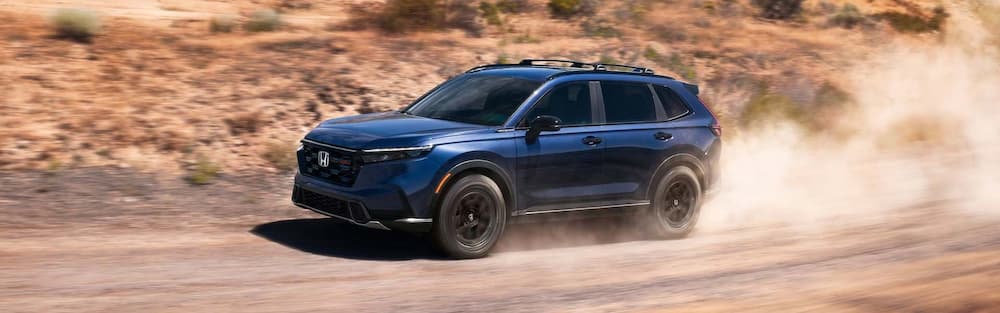
The Honda CR-V is a top choice among compact SUVs because it offers a great mix of efficiency, comfort, and everyday practicality, along with a stylish design and smooth ride. Newer CR-V models come with a continuously variable transmission (CVT) that uses a range of gear ratios instead of fixed gears. This setup gives you steady acceleration, quick power when you need it, and better fuel efficiency whether you’re driving in the city or on the highway.
What You Need to Know About the Honda CR-V Transmission
A common question from shoppers is, “Does the Honda CR-V have a CVT?” This is especially important when comparing new models to older ones. In the past, the CR-V came with manual and traditional automatic transmissions that used a set number of gears. These older systems often had more noticeable gear changes and less steady fuel efficiency.
In recent years, Honda switched the CR-V to a continuously variable transmission. This move replaced the old gear-based systems with a transmission that adjusts smoothly to how you drive. The CVT uses pulleys and a belt to deliver power more evenly, which helps with smoother acceleration and better fuel economy in daily driving.
The Honda CR-V CVT Transmission Explained
The Honda CR-V’s CVT is designed to get the most efficiency and make driving more enjoyable. Instead of using fixed gears like a regular automatic, the CVT uses pulleys and a belt that can change size, so it always keeps the engine running at the best speed for any situation.
This setup gives you smoother acceleration, but that’s just one advantage. The CVT also helps save fuel by keeping the engine at its best RPM, which means you use less gas as you drive. It also puts less strain on the engine, which can help it last longer and need less maintenance.
Comparing CVT with Traditional Automatic Transmissions
Older Honda CR-V automatics use a set number of gears, which can make gear changes feel more noticeable and sometimes abrupt. The CVT, on the other hand, doesn’t have fixed gears, so power comes through more smoothly, and driving feels more comfortable. Because it can adjust to your driving, the CVT gives you faster acceleration and better response, especially in traffic or when passing on the highway.
Driving Modes and Transmission Performance
The Honda CR-V has different driving modes that work with the CVT to get the best performance. Econ mode changes how the gas pedal and CVT respond to help you save fuel, which is great for both city and highway driving. Sport mode makes the car feel quicker and more responsive, while Snow mode helps you get better traction and control when roads are slippery.
Maintenance Tips for Your Honda CR-V Transmission
Taking care of your Honda CR-V’s transmission is important. Check the transmission fluid often to avoid problems. If the fluid is low or dirty, it can cause slipping or overheating, which may damage the transmission. Look out for warning signs like strange noises or slow acceleration. If you notice any issues, bring your CR-V to Visalia Honda for expert service.
Why the Honda CR-V is Ideal for Central Valley Drivers
The Honda CR-V is a smart choice for Central Valley drivers because it’s efficient, reliable, and flexible for all kinds of trips. Whether you’re commuting, taking a family road trip, or driving on the highway, the CR-V’s CVT gives you a smooth and efficient ride. Its roomy interior and safety features are great for families, and its good gas mileage is perfect for daily driving.
Test Drive the Honda CR-V Today
The Honda CR-V’s CVT helps you save on fuel and makes driving more enjoyable. Because it adapts to different conditions, it’s a good fit for all kinds of drivers.
If you’re shopping for a new car, take a look at the Honda CR-V. It stands out for its performance, reliability, and advanced transmission. Stop by Visalia Honda to check out our models and see why the CR-V could be the right choice for you.
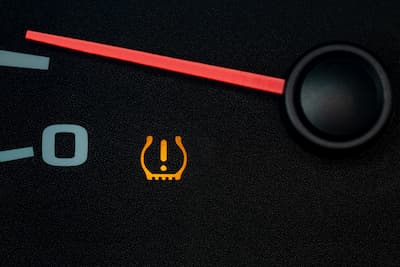
The TPMS, or Tire Pressure Monitoring System, on your Honda’s dashboard can be frustrating. Even after checking and adjusting your tire pressure as the manual suggests, the warning light might stay on.
This can happen for several reasons, like changes in temperature or if the tires were not installed correctly. No matter the cause, you can reset the warning light yourself.
Our team put together this step-by-step guide to help you reset your Honda tire warning light and save you some stress. If these steps don’t solve the problem, it’s best to contact your dealership.
Understanding the Honda TPMS Light
The Tire Pressure Monitoring System helps keep you safe by checking your tire pressure and warning you if any tire is underinflated. If the Honda tire warning light comes on, it means the system has found a possible problem.
Low tire pressure is the most common reason your Honda’s TPMS light turns on. This might happen slowly over time or suddenly if you get a puncture. The light can also come on after a tire rotation or replacement if the system isn’t recalibrated.
If you drive in the Central Valley, big changes in temperature can affect your tire pressure. Cool mornings and warm afternoons might make the TPMS light come on, even if your tires are fine. That’s why it’s important to know what the light means before you reset it.
Safety First: Check Tire Pressure Manually
Always check your tire pressure by hand before you reset the Honda TPMS light. If you reset the system without fixing the real problem, you might miss a safety issue.
Use a good tire pressure gauge and check your tires when they are cold, ideally in the morning before you drive. Compare your readings to the recommended pressure on the driver’s side door jamb, not the number on the tire.
Most Honda cars recommend a tire pressure between 32 and 36 PSI, but this can vary by model. Make sure all four tires are filled correctly, and check the spare if your car has a TPMS sensor for it.
How to Reset the Honda TPMS Light
Once you’ve confirmed that your tire pressure is correct, you can proceed with the reset. Honda TPMS reset instructions vary depending on whether your Honda has a touchscreen display or physical buttons.
Resetting the system lets it recognize your current tire pressure as normal. If you do it right, the warning light should go off after you drive for a bit.
Resetting the TPMS Light on Honda Models with Touchscreen
Many newer Honda models have a touchscreen, which makes resetting the system easy:
- Turn the ignition to the “ON” position without starting the engine.
- Press the Home button on the touchscreen.
- Select Settings, then choose Vehicle.
- Tap TPMS Calibration or Tire Pressure.
- Select Calibrate and confirm.
Drive as you normally would. The system will recalibrate while you drive, and the Honda tire warning light should turn off within 10 to 20 minutes.
Resetting the TPMS Light on Honda Models without a Touchscreen
If your Honda doesn’t have a touchscreen, use these steps:
- Turn the ignition to the “ON” position.
- Locate the TPMS button, often found under the dashboard or near the steering column.
- Press and hold the button until the TPMS light blinks twice.
- Release the button and start the vehicle.
Drive a few miles at a steady speed so the system can finish calibrating.
When to Seek Professional Help
If the light stays on after following all steps, the issue may not be tire pressure. A faulty sensor, a dead sensor battery, or a system malfunction could be causing the warning. Persistent alerts are a sign it’s time for professional diagnostics.
Honda-trained technicians have the tools to accurately identify sensor issues. Scheduling service ensures your TPMS is functioning correctly and keeping you safe.
For reliable help, contact Visalia Honda today or visit us at 1016 S Ben Maddox Way, Visalia, CA 93292-3657.
Frequently Asked Questions
Why is my Honda TPMS light on?
Low tire pressure is the most common reason your Honda’s TPMS light turns on. This might happen slowly over time or suddenly if you get a puncture. The light can also come on after a tire rotation or replacement if the system isn’t recalibrated. Big changes in temperature can also affect your tire pressure and cause the TPMS light to come on even if your tires are fine.
How do I reset the Honda TPMS light on a model with a touchscreen?
Turn the ignition to the ON position without starting the engine. Press the Home button on the touchscreen. Select Settings, then choose Vehicle. Tap TPMS Calibration or Tire Pressure. Select Calibrate and confirm. Drive as you normally would and the Honda tire warning light should turn off within 10 to 20 minutes.
How do I reset the Honda TPMS light on a model without a touchscreen?
Turn the ignition to the ON position. Locate the TPMS button, often found under the dashboard or near the steering column. Press and hold the button until the TPMS light blinks twice. Release the button and start the vehicle. Drive a few miles at a steady speed so the system can finish calibrating.
What tire pressure should Honda tires be set to?
Most Honda cars recommend a tire pressure between 32 and 36 PSI, but this can vary by model. Check the recommended pressure on the driver’s side door jamb, not the number on the tire, and check your tires when they are cold, ideally in the morning before you drive.
Image credit: // Shutterstock // J.J. Gouin
Honda Remote Engine Start: A Comprehensive Guide
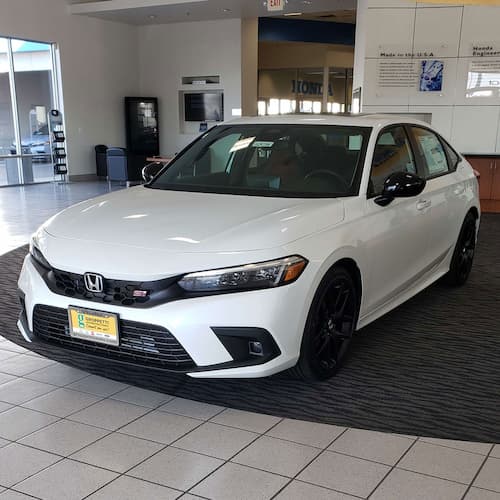
Honda’s Remote Engine Start lets drivers in Visalia enjoy a car that’s already at the perfect temperature, whether warming up on chilly winter mornings or cooling down during summer’s heat. Available on various Honda models, the system allows for remote engine operation while locking the doors for added convenience. Using either the key fob or the HondaLink app, you can start, stop, or extend the engine’s runtime with ease while keeping safety and battery considerations in mind. Knowing how to use this feature allows you to enhance every drive with comfort and convenience.
Step Into Comfort Before You Drive
Honda’s Remote Engine Start is all about making your drive more comfortable and convenient. Imagine stepping into a car that’s already at the perfect temperature, whether it’s a hot summer day or a chilly winter morning in Visalia. This feature allows you to start your car’s engine remotely, ensuring the cabin is just right when you’re ready to go.
While the engine is running, your car remains secure with the doors locked. The system also smartly adjusts the climate control to heat or cool the cabin based on the outside temperature. This is especially helpful in Visalia’s extreme weather conditions. Knowing how to use this feature means you can enjoy a more pleasant drive every time you drive.
How to Use Honda Remote Start: Step-by-Step Instructions
Getting started with Honda’s Remote Engine Start is simple. These Honda remote start instructions will guide you through using either the key fob or the HondaLink app to pre-warm or cool your cabin before you drive.
Using the Honda Key Fob for Remote Start
To start your car remotely with the key fob, first ensure all doors are locked by pressing the lock button. Then, press and hold the button with the circular arrow symbol for a few seconds. The engine will start, and you’ll see the lights flash as confirmation. To turn off the engine, just press and hold the remote start button again. This method is ideal for setting the cabin temperature before you head out.
Using the HondaLink App for Remote Start
If you prefer using your smartphone, the HondaLink app offers a handy alternative. After downloading and setting up the app, navigate to the remote start option. With a tap, you can start or stop the engine and even extend the run time if needed. The app enables greater control from a distance, making it ideal for those who prefer to plan ahead.
Honda Models Offering Remote Start
Honda’s Remote Start feature is available on popular models like the Accord, Civic, CR-V, Pilot, and Ridgeline. Each model offers its own set of features, but they all include the convenience of starting your car remotely. When shopping for a new Honda, check the specific model and trim to ensure it includes Remote Start, as availability can vary.
Safety and Battery Tips
Honda designed Remote Engine Start for convenience, but following a few precautions helps you operate it smoothly and safely. The system will not start if the hood is open or the vehicle is not in park. Parking in a well-ventilated area helps prevent carbon monoxide buildup. To protect battery life, avoid repeatedly using Remote Start during extreme heat or cold, and schedule regular battery checks to maintain reliable performance. Following these simple practices lets you enjoy a comfortable cabin without unexpected interruptions.
Comfort and Convenience, Ready When You Are
The Honda Remote Engine Start feature adds comfort and convenience to your drive, especially in Visalia’s changing weather. It lets you adjust your car’s temperature before you even get in. If you’re interested in this feature, visit Visalia Honda for more information. Whether you need help activating or troubleshooting, the team at Visalia Honda is ready to assist you in getting the most out of your vehicle’s technology.
Snow Mode Honda Pilot
Slippery roads cause many accidents each year and can make driving stressful. To help with this, Honda created Snow Mode, a feature that makes driving safer and more enjoyable.
Here’s how Snow Mode works on the Honda Pilot and why it can be helpful for California drivers, even with the state’s warm climate.
Honda Pilot Snow Mode Explained
Honda designed the Intelligent Traction Management system to help drivers stay in control when road conditions become unpredictable. Snow Mode is one of the key drive settings within this system, designed specifically for winter travel.
When activated, the Snow Mode adjusts how the vehicle responds to slippery or low-traction surfaces. This helps the car maintain stability on icy and snowy roads.
The Intelligent Traction Management system constantly monitors changes in wheel spin, throttle input, and surface conditions. When Snow Mode is selected, the Pilot modifies:
- Throttle sensitivity
- Torque distribution
- Braking response
The goal is to reduce wheel slip and give you better grip. Rather than sending all the power to the wheels at once, which can cause sliding, the vehicle spreads out the power more slowly. This helps you feel more confident in tough conditions.
Ultimately, Snow Mode serves one purpose: to improve safety.
When to Use Snow Mode
Snow Mode is best for driving on snow, slush, or ice. In Central California, winter weather is rare, but many families visit snowy places during the colder months.
If you’re planning a trip to Sequoia National Park, Yosemite, or the Sierra Nevada, Snow Mode can be very helpful. Mountain roads can be unpredictable, and temperatures drop quickly at higher elevations. The extra safety and stability can make your trip much less stressful.
Even if you don’t see heavy snow, Snow Mode can help with light frost and wet gravel. It’s also useful on slippery rural roads.
Drivers in places like Visalia, Tulare, or Fresno might find icy patches on the road during cold mornings. Snow Mode gives extra protection in these short but risky moments.
Driving a Honda Pilot in snow isn’t only for big winter storms. It’s also about being ready for sudden weather changes, especially when you travel outside the Central Valley.
Preparing Your Honda Pilot for Winter Travel
Before you head to winter destinations, make sure your vehicle is ready. Snow Mode helps with traction and control, but your Honda Pilot still needs regular maintenance to work its best.
Check your tires first. Make sure they have good tread and the right air pressure for winter safety. Also, check your fluids, like engine oil and coolant. Use windshield washer fluid made for cold weather, and remember that your battery needs to work well in the cold.
Visalia Honda’s service team can take care of all these checks for you. Our technicians know what Central Valley drivers need when heading to the mountains. Whether you’re getting ready for a weekend trip or a holiday, we’ll make sure your Pilot is ready for winter weather.
Take Full Advantage of Your Honda Pilot
Snow Mode gives Honda Pilot owners a big advantage when driving in snow or on slippery roads. It uses smart features to help you stay stable and feel more at ease during winter trips.
With the Intelligent Traction Management system helping in the background, your Pilot is more capable and reliable on mountain roads.
Before your next winter trip, think about visiting Visalia Honda. Our service team can get your vehicle ready and make sure everything is in great shape.
Contact us for more information about your Honda Pilot’s Snow Mode or to schedule a service appointment today!
Connect with us


