

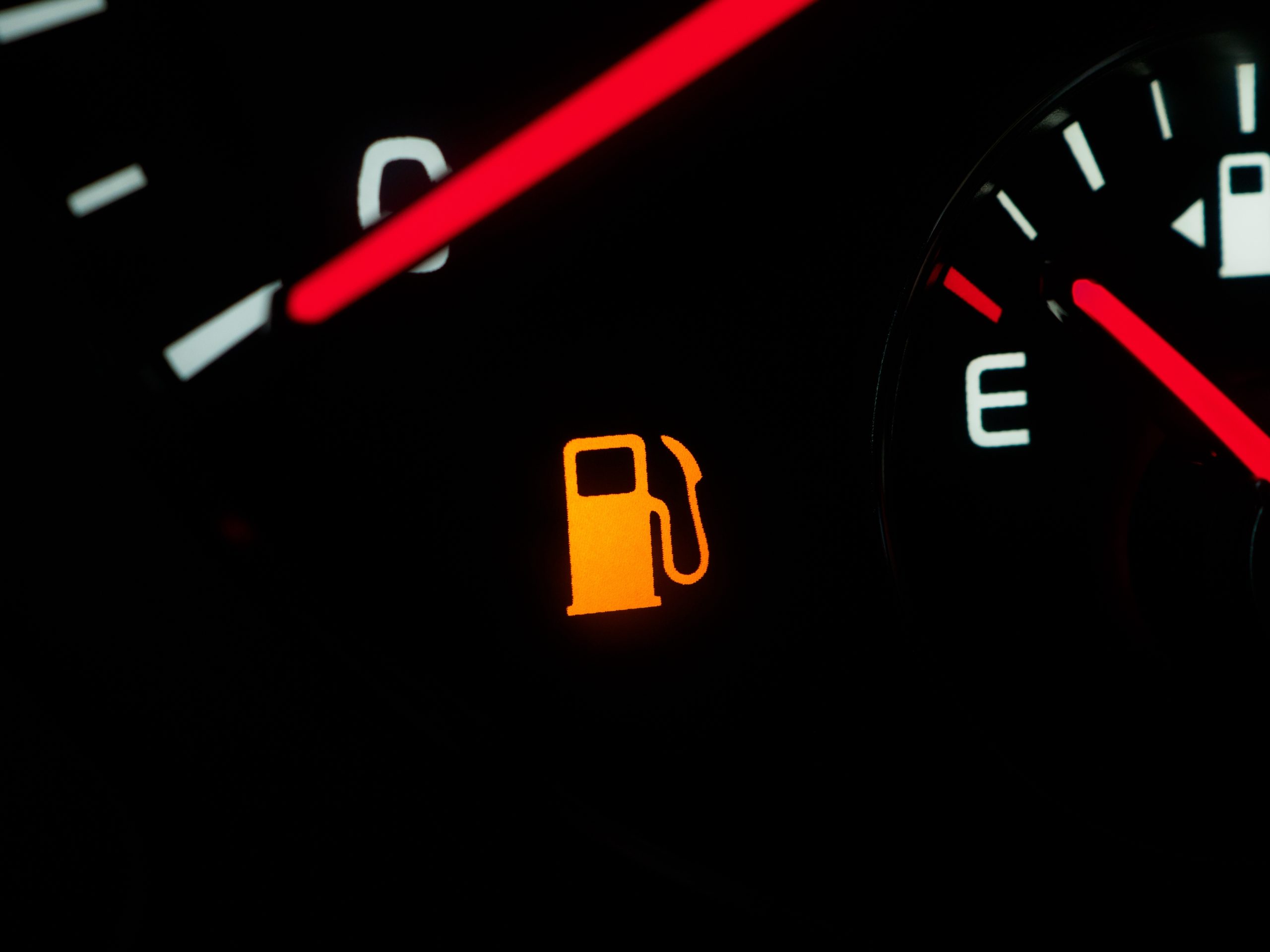
The “Low Fuel” light always seems to show up when it’s least convenient. Some drivers pull over right away, while others keep going. If you’re looking for a new car, this moment is important because it shows how a car warns you about risk and how reliable its range feels each day.
Many Honda shoppers and owners wonder about the CR-V’s low fuel warning light: how far can you really drive once it turns on? Some people fill up right away, while others think they have plenty of miles left. So, who’s correct when it comes to the CR-V’s low fuel warning?
Learn what the warning means, how to estimate your remaining distance using the tools in the cabin, and when it is smart to stop pushing your luck.
Understanding the Honda Fuel Reserve System
Honda cars have a fuel reserve that kicks in when the low fuel light comes on. This acts as a buffer, not an extra tank. In most Hondas, the warning shows up when there are about 1 to 2 gallons left, but the exact amount depends on the model and year.
Still, it’s not a good idea to rely on the reserve for long drives. It’s meant for short-term use only. In the city, the extra fuel might seem like enough, but on longer or unfamiliar roads, it can run out faster than you think.
Average “Miles Left” Estimates for Popular Honda Models
How far can you drive a Honda after the low fuel light comes on? It depends on the model, engine size, and year. On average:
- Honda Civic: Often has 30–50 miles left after the light comes on, thanks to excellent fuel efficiency.
- Honda CR-V: Typically offers around 35–45 miles, depending on whether it’s AWD or FWD.
- Honda Accord: Usually falls in the 40–50 mile range, especially in newer models.
- Honda HR-V: Similar to the Civic, with about 35–45 miles remaining.
- Honda Pilot: As a larger SUV, expect closer to 25–35 miles.
Newer Hondas usually give more accurate fuel estimates, while older models might warn you earlier than needed.
Why do these ranges vary? Things like model year, engine, drivetrain, tire size, and even how the car was set up can affect when the light comes on and how fast the last fuel is used. If you’re comparing cars, use these numbers as a guide, not a guarantee.
Factors Affecting Driving Distance on Low Fuel
How you drive makes a big difference in how far you can go on low fuel. Quick starts and lots of braking use more gas than smooth, steady driving.
The type of road matters too. Flat city streets are easier on your car, but hills and curvy highways use more fuel. The weather also plays a part. Cold can lower fuel efficiency, and extreme heat puts extra strain on your car.
Driving mode also affects fuel use. Econ Mode helps you save gas by making the car run more efficiently. Sport Mode uses more fuel for extra power. If you’re running low, it’s best to use Econ Mode.
Using the Trip Meter and “Distance to Empty” Display
Honda provides tools to help you keep track. If you reset your trip meter each time you fill up, you’ll start to see your own fuel use patterns. Soon, you’ll know about how many miles you get per tank.
Many newer Hondas show you how many miles you have left with a “distance to empty” display. This number changes based on how you’ve been driving. Things like hills, traffic, or a new driving style can make it drop fast. Use it as a guide, not a guarantee.
Safety Concerns and Risks of Driving on Empty
Driving with almost no fuel isn’t just a hassle; it can actually damage your car. The fuel pump needs gasoline to stay cool, so running low too often can cause it to overheat and lead to expensive repairs.
You could also end up stranded, especially on rural roads near Visalia or heading to Sequoia National Park, where gas stations are few and far between. A small mistake here can turn a nice drive into a long wait for help. Knowing your Honda’s fuel reserve is just as much about safety as it is about saving money.
If you want extra peace of mind, visit us at Visalia Honda for a fuel system check or to look at fuel-efficient Honda models. Reach out to us to get started.
Frequently Asked Questions
How far can you drive a Honda after the low fuel light comes on?
It depends on the model, engine size, and year. On average: Honda Civic offers 30–50 miles, Honda CR-V typically offers around 35–45 miles depending on whether it’s AWD or FWD, Honda Accord usually falls in the 40–50 mile range, Honda HR-V has about 35–45 miles remaining, and Honda Pilot offers closer to 25–35 miles as a larger SUV.
What does the Honda low fuel warning light mean?
Honda cars have a fuel reserve that kicks in when the low fuel light comes on. This acts as a buffer, not an extra tank. In most Hondas, the warning shows up when there are about 1 to 2 gallons left, but the exact amount depends on the model and year.
Does driving mode affect how far you can go on low fuel?
Yes. Econ Mode helps you save gas by making the car run more efficiently. Sport Mode uses more fuel for extra power. If you’re running low, it’s best to use Econ Mode.
Can driving on empty damage your Honda?
Yes. The fuel pump needs gasoline to stay cool, so running low too often can cause it to overheat and lead to expensive repairs.
Image credit: // Shutterstock // Rohane Hamilton
Connect with us


