

Car Maintenance Tips in California

California’s changing weather and long drives mean your car needs extra care. In Visalia and the Central Valley, dust and frequent highway trips can wear down your vehicle. At Visalia Honda, we use genuine Honda parts and expert service to help your car run smoothly. Regular maintenance not only improves fuel efficiency but also helps you meet California’s strict smog and emissions rules. Book a service with Visalia Honda to keep your car in great condition.
California’s Climate Impact on Vehicles
California’s weather brings special challenges for car care. In the Central Valley, hot summers can strain your car’s cooling system and cause overheating if you skip maintenance. The heat also wears out tires and breaks down engine oil faster. Even mild winters can affect your battery and tire pressure, so winter maintenance is important too.
Visalia drivers deal with long commutes and dusty roads, which can clog air filters and damage engine parts. This lowers efficiency and can cause problems over time. Driving often to places like Fresno and Bakersfield at high speeds also wears out brakes and tires more quickly. Knowing these local challenges helps you keep your car reliable all year.
Essential Seasonal Car Maintenance Tips
Adjusting your car care for California’s seasons helps keep your vehicle in good condition. Focusing on certain tasks in summer and winter protects your car and helps it last longer.
Preparing for Summer
When summer hits the Central Valley, it’s important to prepare your car. Check fluids like engine oil, coolant, and brake fluid to prevent overheating and keep your engine running well. Service your air conditioning before it gets too hot so it works efficiently and keeps you cool.
Don’t forget to check your cooling system. Inspect the radiator and hoses for leaks or signs of wear, and flush the coolant system if it’s been a while. These steps help prevent overheating and expensive repairs.
Winter Preparation
California winters are mild, but your car still needs attention. Check your battery because cold weather can affect how it works. Make sure it’s fully charged and clean the terminals to avoid starting problems.
Rotate your tires to help them wear evenly and last longer. Check tire pressure often, since it changes with the weather and affects traction and fuel efficiency. These simple steps keep your car safe and reliable in winter.
Smog and Emissions Checks
California’s tough smog and emissions rules help keep the air clean. If you own a Honda, you need to pass these checks to follow state laws. Cars older than six years must get a smog check every two years to make sure emissions are within legal limits and to help cut pollution.
Visalia Honda can help you pass these inspections. Our certified technicians understand California’s emissions rules and can do the maintenance needed to make sure your Honda meets the standards. We check the exhaust system, catalytic converter, and other important parts.
Regular Maintenance for Fuel Efficiency and Reliability
Sticking to a regular maintenance schedule helps your car run better and use less fuel. Simple tasks like changing the oil, replacing air filters, and checking spark plugs can improve performance and help your car last longer. These checks also stop small problems from becoming costly repairs.
At Visalia Honda, our Honda-trained technicians follow the manufacturer’s service schedule, so your car gets the right care when it needs it. We use genuine Honda parts to keep your car running well and lasting longer.
Local Considerations for Visalia Drivers
Visalia drivers deal with special challenges from the Central Valley’s dusty roads. Dust can clog air filters, which hurts engine performance and fuel efficiency. Check and replace air filters often to keep your engine running well.
Driving long distances to places like Fresno and Bakersfield can wear out your tires and brakes. Regular inspections and rotating your tires on time help keep you safe and your ride smooth. The Central Valley’s changing weather also means you should watch your car’s cooling and heating systems.
Choose Visalia Honda for Convenient and Reliable Maintenance
Regular maintenance keeps your car running well, especially with California’s changing weather. By keeping up with seasonal checks and a maintenance schedule, you make your car more reliable and efficient. Visalia Honda offers expert service and genuine parts to help your car stay in great shape. Book your next service with us or contact our Service Center to learn more and schedule an appointment.
Image Source: Eakrin Rasadonyindee/Shutterstock
Honda CR-V Transmission Type
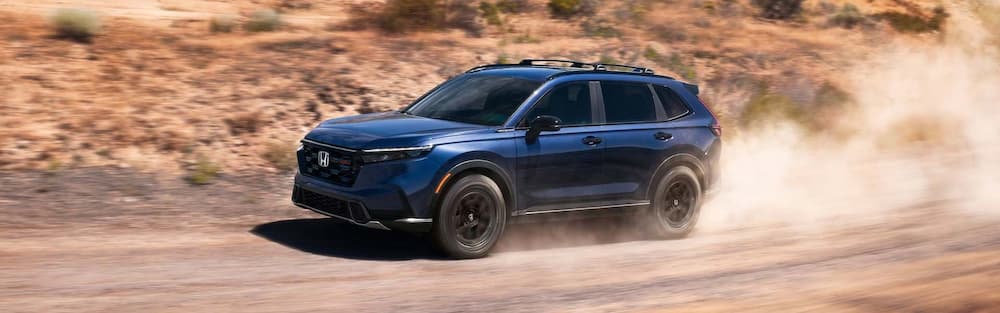
The Honda CR-V is a top choice among compact SUVs because it offers a great mix of efficiency, comfort, and everyday practicality, along with a stylish design and smooth ride. Newer CR-V models come with a continuously variable transmission (CVT) that uses a range of gear ratios instead of fixed gears. This setup gives you steady acceleration, quick power when you need it, and better fuel efficiency whether you’re driving in the city or on the highway.
What You Need to Know About the Honda CR-V Transmission
A common question from shoppers is, “Does the Honda CR-V have a CVT?” This is especially important when comparing new models to older ones. In the past, the CR-V came with manual and traditional automatic transmissions that used a set number of gears. These older systems often had more noticeable gear changes and less steady fuel efficiency.
In recent years, Honda switched the CR-V to a continuously variable transmission. This move replaced the old gear-based systems with a transmission that adjusts smoothly to how you drive. The CVT uses pulleys and a belt to deliver power more evenly, which helps with smoother acceleration and better fuel economy in daily driving.
The Honda CR-V CVT Transmission Explained
The Honda CR-V’s CVT is designed to get the most efficiency and make driving more enjoyable. Instead of using fixed gears like a regular automatic, the CVT uses pulleys and a belt that can change size, so it always keeps the engine running at the best speed for any situation.
This setup gives you smoother acceleration, but that’s just one advantage. The CVT also helps save fuel by keeping the engine at its best RPM, which means you use less gas as you drive. It also puts less strain on the engine, which can help it last longer and need less maintenance.
Comparing CVT with Traditional Automatic Transmissions
Older Honda CR-V automatics use a set number of gears, which can make gear changes feel more noticeable and sometimes abrupt. The CVT, on the other hand, doesn’t have fixed gears, so power comes through more smoothly, and driving feels more comfortable. Because it can adjust to your driving, the CVT gives you faster acceleration and better response, especially in traffic or when passing on the highway.
Driving Modes and Transmission Performance
The Honda CR-V has different driving modes that work with the CVT to get the best performance. Econ mode changes how the gas pedal and CVT respond to help you save fuel, which is great for both city and highway driving. Sport mode makes the car feel quicker and more responsive, while Snow mode helps you get better traction and control when roads are slippery.
Maintenance Tips for Your Honda CR-V Transmission
Taking care of your Honda CR-V’s transmission is important. Check the transmission fluid often to avoid problems. If the fluid is low or dirty, it can cause slipping or overheating, which may damage the transmission. Look out for warning signs like strange noises or slow acceleration. If you notice any issues, bring your CR-V to Visalia Honda for expert service.
Why the Honda CR-V is Ideal for Central Valley Drivers
The Honda CR-V is a smart choice for Central Valley drivers because it’s efficient, reliable, and flexible for all kinds of trips. Whether you’re commuting, taking a family road trip, or driving on the highway, the CR-V’s CVT gives you a smooth and efficient ride. Its roomy interior and safety features are great for families, and its good gas mileage is perfect for daily driving.
Test Drive the Honda CR-V Today
The Honda CR-V’s CVT helps you save on fuel and makes driving more enjoyable. Because it adapts to different conditions, it’s a good fit for all kinds of drivers.
If you’re shopping for a new car, take a look at the Honda CR-V. It stands out for its performance, reliability, and advanced transmission. Stop by Visalia Honda to check out our models and see why the CR-V could be the right choice for you.
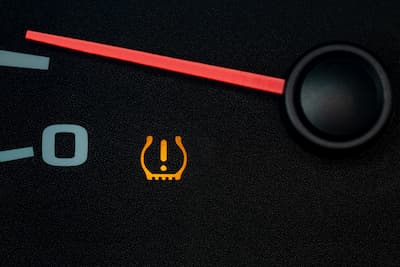
The TPMS, or Tire Pressure Monitoring System, on your Honda’s dashboard can be frustrating. Even after checking and adjusting your tire pressure as the manual suggests, the warning light might stay on.
This can happen for several reasons, like changes in temperature or if the tires were not installed correctly. No matter the cause, you can reset the warning light yourself.
Our team put together this step-by-step guide to help you reset your Honda tire warning light and save you some stress. If these steps don’t solve the problem, it’s best to contact your dealership.
Understanding the Honda TPMS Light
The Tire Pressure Monitoring System helps keep you safe by checking your tire pressure and warning you if any tire is underinflated. If the Honda tire warning light comes on, it means the system has found a possible problem.
Low tire pressure is the most common reason your Honda’s TPMS light turns on. This might happen slowly over time or suddenly if you get a puncture. The light can also come on after a tire rotation or replacement if the system isn’t recalibrated.
If you drive in the Central Valley, big changes in temperature can affect your tire pressure. Cool mornings and warm afternoons might make the TPMS light come on, even if your tires are fine. That’s why it’s important to know what the light means before you reset it.
Safety First: Check Tire Pressure Manually
Always check your tire pressure by hand before you reset the Honda TPMS light. If you reset the system without fixing the real problem, you might miss a safety issue.
Use a good tire pressure gauge and check your tires when they are cold, ideally in the morning before you drive. Compare your readings to the recommended pressure on the driver’s side door jamb, not the number on the tire.
Most Honda cars recommend a tire pressure between 32 and 36 PSI, but this can vary by model. Make sure all four tires are filled correctly, and check the spare if your car has a TPMS sensor for it.
How to Reset the Honda TPMS Light
Once you’ve confirmed that your tire pressure is correct, you can proceed with the reset. Honda TPMS reset instructions vary depending on whether your Honda has a touchscreen display or physical buttons.
Resetting the system lets it recognize your current tire pressure as normal. If you do it right, the warning light should go off after you drive for a bit.
Resetting the TPMS Light on Honda Models with Touchscreen
Many newer Honda models have a touchscreen, which makes resetting the system easy:
- Turn the ignition to the “ON” position without starting the engine.
- Press the Home button on the touchscreen.
- Select Settings, then choose Vehicle.
- Tap TPMS Calibration or Tire Pressure.
- Select Calibrate and confirm.
Drive as you normally would. The system will recalibrate while you drive, and the Honda tire warning light should turn off within 10 to 20 minutes.
Resetting the TPMS Light on Honda Models without a Touchscreen
If your Honda doesn’t have a touchscreen, use these steps:
- Turn the ignition to the “ON” position.
- Locate the TPMS button, often found under the dashboard or near the steering column.
- Press and hold the button until the TPMS light blinks twice.
- Release the button and start the vehicle.
Drive a few miles at a steady speed so the system can finish calibrating.
When to Seek Professional Help
If the light stays on after following all steps, the issue may not be tire pressure. A faulty sensor, a dead sensor battery, or a system malfunction could be causing the warning. Persistent alerts are a sign it’s time for professional diagnostics.
Honda-trained technicians have the tools to accurately identify sensor issues. Scheduling service ensures your TPMS is functioning correctly and keeping you safe.
For reliable help, contact Visalia Honda today or visit us at 1016 S Ben Maddox Way, Visalia, CA 93292-3657.
Image credit: // Shutterstock // J.J. Gouin
Honda Remote Engine Start: A Comprehensive Guide
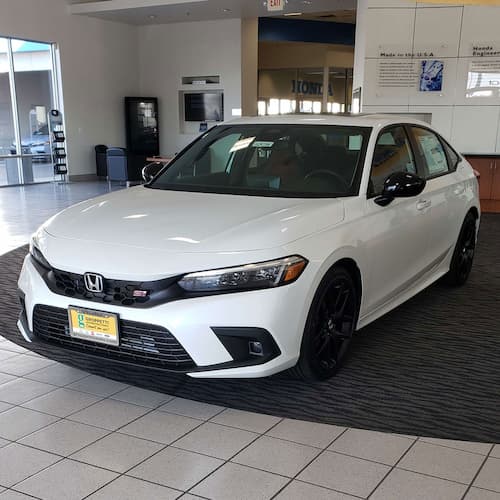
Honda’s Remote Engine Start lets drivers in Visalia enjoy a car that’s already at the perfect temperature, whether warming up on chilly winter mornings or cooling down during summer’s heat. Available on various Honda models, the system allows for remote engine operation while locking the doors for added convenience. Using either the key fob or the HondaLink app, you can start, stop, or extend the engine’s runtime with ease while keeping safety and battery considerations in mind. Knowing how to use this feature allows you to enhance every drive with comfort and convenience.
Step Into Comfort Before You Drive
Honda’s Remote Engine Start is all about making your drive more comfortable and convenient. Imagine stepping into a car that’s already at the perfect temperature, whether it’s a hot summer day or a chilly winter morning in Visalia. This feature allows you to start your car’s engine remotely, ensuring the cabin is just right when you’re ready to go.
While the engine is running, your car remains secure with the doors locked. The system also smartly adjusts the climate control to heat or cool the cabin based on the outside temperature. This is especially helpful in Visalia’s extreme weather conditions. Knowing how to use this feature means you can enjoy a more pleasant drive every time you drive.
How to Use Honda Remote Start: Step-by-Step Instructions
Getting started with Honda’s Remote Engine Start is simple. These Honda remote start instructions will guide you through using either the key fob or the HondaLink app to pre-warm or cool your cabin before you drive.
Using the Honda Key Fob for Remote Start
To start your car remotely with the key fob, first ensure all doors are locked by pressing the lock button. Then, press and hold the button with the circular arrow symbol for a few seconds. The engine will start, and you’ll see the lights flash as confirmation. To turn off the engine, just press and hold the remote start button again. This method is ideal for setting the cabin temperature before you head out.
Using the HondaLink App for Remote Start
If you prefer using your smartphone, the HondaLink app offers a handy alternative. After downloading and setting up the app, navigate to the remote start option. With a tap, you can start or stop the engine and even extend the run time if needed. The app enables greater control from a distance, making it ideal for those who prefer to plan ahead.
Honda Models Offering Remote Start
Honda’s Remote Start feature is available on popular models like the Accord, Civic, CR-V, Pilot, and Ridgeline. Each model offers its own set of features, but they all include the convenience of starting your car remotely. When shopping for a new Honda, check the specific model and trim to ensure it includes Remote Start, as availability can vary.
Safety and Battery Tips
Honda designed Remote Engine Start for convenience, but following a few precautions helps you operate it smoothly and safely. The system will not start if the hood is open or the vehicle is not in park. Parking in a well-ventilated area helps prevent carbon monoxide buildup. To protect battery life, avoid repeatedly using Remote Start during extreme heat or cold, and schedule regular battery checks to maintain reliable performance. Following these simple practices lets you enjoy a comfortable cabin without unexpected interruptions.
Comfort and Convenience, Ready When You Are
The Honda Remote Engine Start feature adds comfort and convenience to your drive, especially in Visalia’s changing weather. It lets you adjust your car’s temperature before you even get in. If you’re interested in this feature, visit Visalia Honda for more information. Whether you need help activating or troubleshooting, the team at Visalia Honda is ready to assist you in getting the most out of your vehicle’s technology.
Snow Mode Honda Pilot
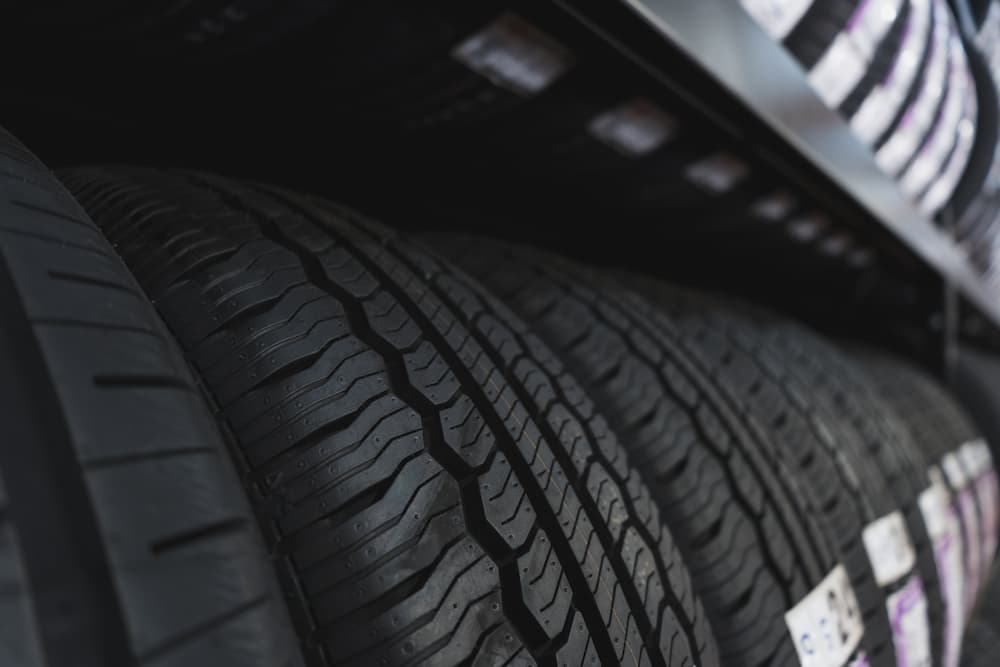
Slippery roads cause many accidents each year and can make driving stressful. To help with this, Honda created Snow Mode, a feature that makes driving safer and more enjoyable.
Here’s how Snow Mode works on the Honda Pilot and why it can be helpful for California drivers, even with the state’s warm climate.
Honda Pilot Snow Mode Explained
Honda designed the Intelligent Traction Management system to help drivers stay in control when road conditions become unpredictable. Snow Mode is one of the key drive settings within this system, designed specifically for winter travel.
When activated, the Snow Mode adjusts how the vehicle responds to slippery or low-traction surfaces. This helps the car maintain stability on icy and snowy roads.
The Intelligent Traction Management system constantly monitors changes in wheel spin, throttle input, and surface conditions. When Snow Mode is selected, the Pilot modifies:
- Throttle sensitivity
- Torque distribution
- Braking response
The goal is to reduce wheel slip and give you better grip. Rather than sending all the power to the wheels at once, which can cause sliding, the vehicle spreads out the power more slowly. This helps you feel more confident in tough conditions.
Ultimately, Snow Mode serves one purpose: to improve safety.
When to Use Snow Mode
Snow Mode is best for driving on snow, slush, or ice. In Central California, winter weather is rare, but many families visit snowy places during the colder months.
If you’re planning a trip to Sequoia National Park, Yosemite, or the Sierra Nevada, Snow Mode can be very helpful. Mountain roads can be unpredictable, and temperatures drop quickly at higher elevations. The extra safety and stability can make your trip much less stressful.
Even if you don’t see heavy snow, Snow Mode can help with light frost and wet gravel. It’s also useful on slippery rural roads.
Drivers in places like Visalia, Tulare, or Fresno might find icy patches on the road during cold mornings. Snow Mode gives extra protection in these short but risky moments.
Driving a Honda Pilot in snow isn’t only for big winter storms. It’s also about being ready for sudden weather changes, especially when you travel outside the Central Valley.
Preparing Your Honda Pilot for Winter Travel
Before you head to winter destinations, make sure your vehicle is ready. Snow Mode helps with traction and control, but your Honda Pilot still needs regular maintenance to work its best.
Check your tires first. Make sure they have good tread and the right air pressure for winter safety. Also, check your fluids, like engine oil and coolant. Use windshield washer fluid made for cold weather, and remember that your battery needs to work well in the cold.
Visalia Honda’s service team can take care of all these checks for you. Our technicians know what Central Valley drivers need when heading to the mountains. Whether you’re getting ready for a weekend trip or a holiday, we’ll make sure your Pilot is ready for winter weather.
Take Full Advantage of Your Honda Pilot
Snow Mode gives Honda Pilot owners a big advantage when driving in snow or on slippery roads. It uses smart features to help you stay stable and feel more at ease during winter trips.
With the Intelligent Traction Management system helping in the background, your Pilot is more capable and reliable on mountain roads.
Before your next winter trip, think about visiting Visalia Honda. Our service team can get your vehicle ready and make sure everything is in great shape.
Contact us for more information about your Honda Pilot’s Snow Mode or to schedule a service appointment today!
Honda Sensing Adaptive Cruise Control
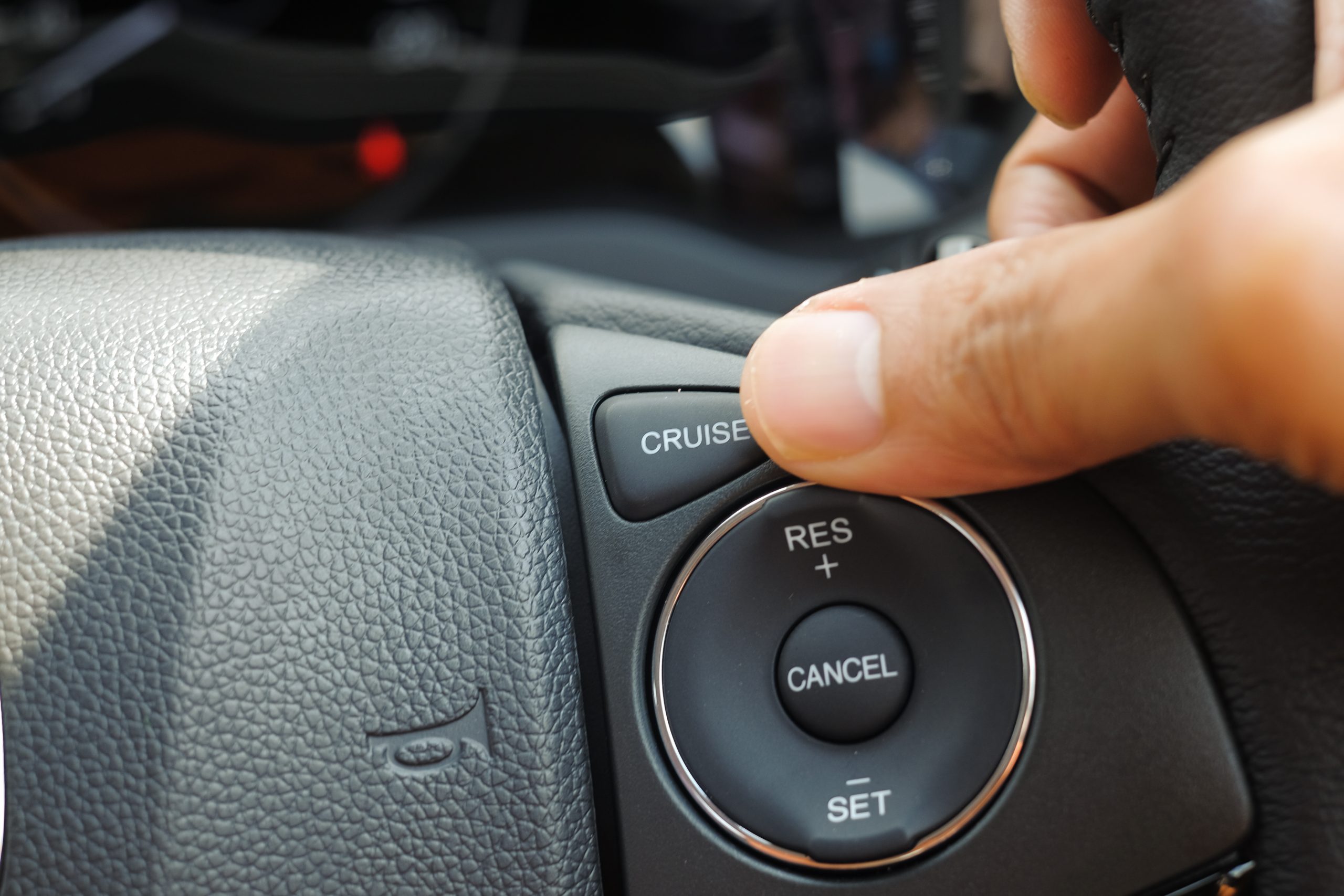
There’s a lot to think about when buying a new car, from size and model to features. If you’re considering a Honda like the CR-V, Adaptive Cruise Control (ACC) is a feature you should check out. Here’s what ACC is, which Honda models have it, how it works, and why it’s a smart addition to your next vehicle.
Highlights
- Adaptive Cruise Control lets you set your speed and following distance while driving.
- Unlike regular cruise control, ACC automatically adjusts to the speed of other cars on the road.
- ACC can make driving safer by helping reduce fatigue and lowering the risk of accidents.
What to Know About Adaptive Cruise Control
Adaptive Cruise Control (ACC) is a helpful feature that keeps a safe distance from the car in front of you. While regular cruise control keeps your car at one speed, ACC uses sensors and radar to watch traffic. If a slower car is ahead, ACC slows you down to keep a safe gap, so you don’t have to keep adjusting your speed.
The main difference between regular and adaptive cruise control is adaptability. With regular cruise control, you have to change your speed yourself when traffic slows down. ACC does this for you, so you don’t have to keep making adjustments, which makes long drives more comfortable.
How Honda Adaptive Cruise Control Works
Honda’s Adaptive Cruise Control (ACC) is easy to use and helps you focus on driving. Here’s how to turn it on and adjust it in models like the Accord, Civic, CR-V, and Pilot:
- Activation: Press the ‘MAIN’ button on your steering wheel to enable the Honda Sensing system, which includes ACC.
- Set the Speed: Once you’ve reached your desired speed, press the ‘SET’ button to maintain it.
- Adjust Following Distance: Press the ‘Distance’ button to set how far you want to be from the car in front. Your display screen will show more bars for a greater distance.
- Adjusting Speed: To change your speed, press ‘RES+’ to go faster or ‘SET-‘ to slow down.
ACC is included in the Honda Sensing suite, along with features like Lane Keeping Assist and Collision Mitigation Braking. All of these are designed to make driving safer and give you more peace of mind.
Benefits of Honda Sensing Adaptive Cruise Control
Honda’s ACC is helpful in many driving situations. On highways like 99 or 198 in the Central Valley, it handles stop-and-go traffic by adjusting your speed, which can make long drives less tiring and safer. In busy city areas like Visalia, ACC adapts to traffic flow, so you can focus on the road instead of always changing your speed. This feature makes driving easier and helps you build safer habits.
Safety Tips for Using Adaptive Cruise Control
While ACC makes driving safer and more convenient, it’s still important to stay alert. Here are some tips to use it well:
- Stay Alert: Always keep your eyes on the road and your hands on the wheel. ACC helps, but it doesn’t replace active driving.
- Be Ready to Take Control: Traffic can change fast, so be prepared to brake or speed up when needed.
- Know the Limitations: ACC might not work as well in bad weather, like heavy rain or fog, because the sensors can’t see as clearly.
Drive With Confidence Using Honda’s ACC
Honda Sensing’s Adaptive Cruise Control makes driving easier and more comfortable. It automatically changes your speed to keep a set distance from the car ahead, so you don’t have to keep using the gas and brake. This makes stop-and-go traffic and long drives feel much more relaxed.
If you want to try this technology for yourself, come take a test drive at Visalia Honda. If your Honda’s ACC needs calibration, our service team can help. Stop by Visalia Honda to learn more or book an appointment.
Image credit: // Shutterstock // Azami Adiputera
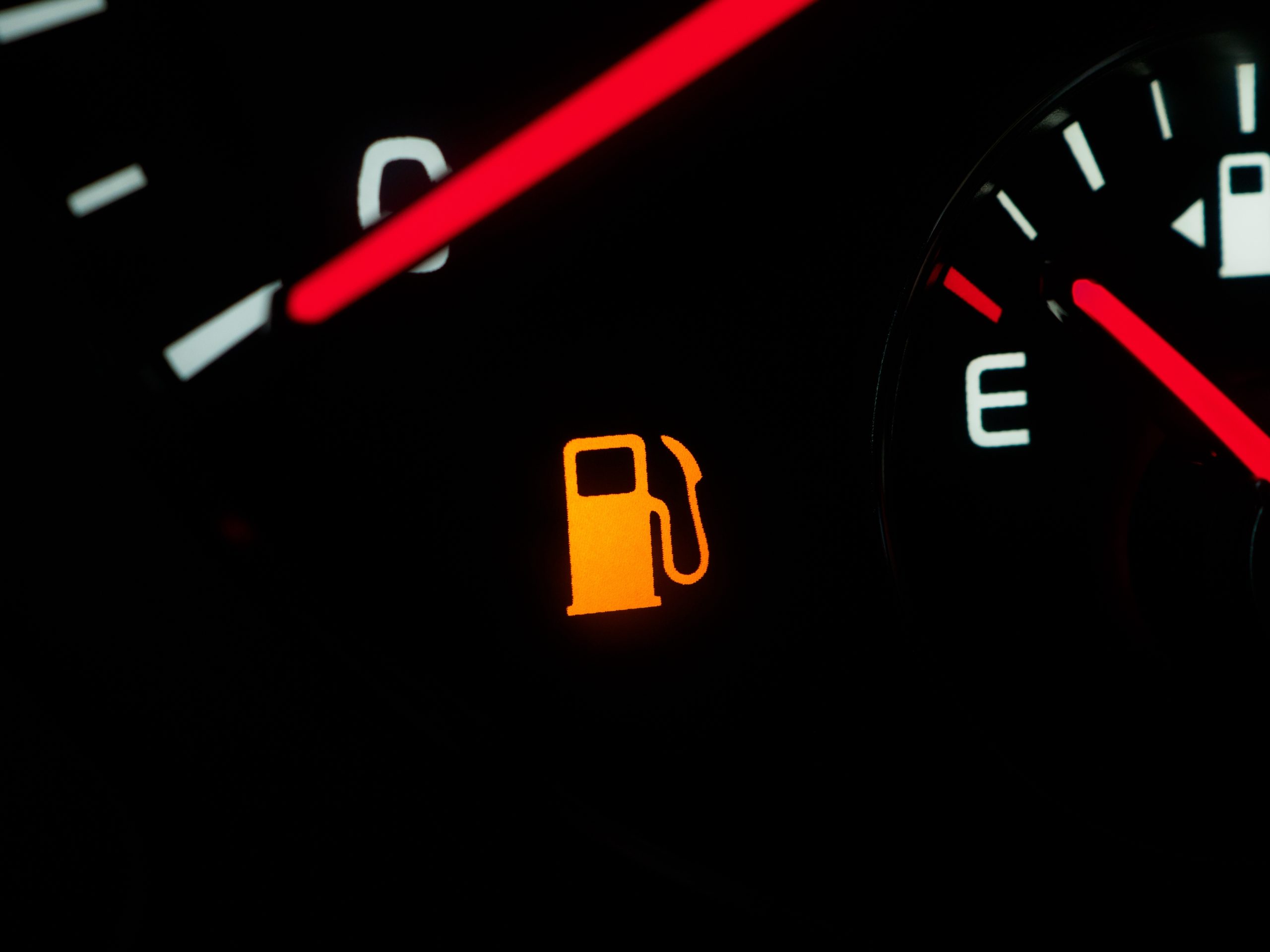
The “Low Fuel” light always seems to show up when it’s least convenient. Some drivers pull over right away, while others keep going. If you’re looking for a new car, this moment is important because it shows how a car warns you about risk and how reliable its range feels each day.
Many Honda shoppers and owners wonder about the CR-V’s low fuel warning light: how far can you really drive once it turns on? Some people fill up right away, while others think they have plenty of miles left. So, who’s correct when it comes to the CR-V’s low fuel warning?
Learn what the warning means, how to estimate your remaining distance using the tools in the cabin, and when it is smart to stop pushing your luck.
Understanding the Honda Fuel Reserve System
Honda cars have a fuel reserve that kicks in when the low fuel light comes on. This acts as a buffer, not an extra tank. In most Hondas, the warning shows up when there are about 1 to 2 gallons left, but the exact amount depends on the model and year.
Still, it’s not a good idea to rely on the reserve for long drives. It’s meant for short-term use only. In the city, the extra fuel might seem like enough, but on longer or unfamiliar roads, it can run out faster than you think.
Average “Miles Left” Estimates for Popular Honda Models
How far can you drive a Honda after the low fuel light comes on? It depends on the model, engine size, and year. On average:
- Honda Civic: Often has 30–50 miles left after the light comes on, thanks to excellent fuel efficiency.
- Honda CR-V: Typically offers around 35–45 miles, depending on whether it’s AWD or FWD.
- Honda Accord: Usually falls in the 40–50 mile range, especially in newer models.
- Honda HR-V: Similar to the Civic, with about 35–45 miles remaining.
- Honda Pilot: As a larger SUV, expect closer to 25–35 miles.
Newer Hondas usually give more accurate fuel estimates, while older models might warn you earlier than needed.
Why do these ranges vary? Things like model year, engine, drivetrain, tire size, and even how the car was set up can affect when the light comes on and how fast the last fuel is used. If you’re comparing cars, use these numbers as a guide, not a guarantee.
Factors Affecting Driving Distance on Low Fuel
How you drive makes a big difference in how far you can go on low fuel. Quick starts and lots of braking use more gas than smooth, steady driving.
The type of road matters too. Flat city streets are easier on your car, but hills and curvy highways use more fuel. The weather also plays a part. Cold can lower fuel efficiency, and extreme heat puts extra strain on your car.
Driving mode also affects fuel use. Econ Mode helps you save gas by making the car run more efficiently. Sport Mode uses more fuel for extra power. If you’re running low, it’s best to use Econ Mode.
Using the Trip Meter and “Distance to Empty” Display
Honda provides tools to help you keep track. If you reset your trip meter each time you fill up, you’ll start to see your own fuel use patterns. Soon, you’ll know about how many miles you get per tank.
Many newer Hondas show you how many miles you have left with a “distance to empty” display. This number changes based on how you’ve been driving. Things like hills, traffic, or a new driving style can make it drop fast. Use it as a guide, not a guarantee.
Safety Concerns and Risks of Driving on Empty
Driving with almost no fuel isn’t just a hassle; it can actually damage your car. The fuel pump needs gasoline to stay cool, so running low too often can cause it to overheat and lead to expensive repairs.
You could also end up stranded, especially on rural roads near Visalia or heading to Sequoia National Park, where gas stations are few and far between. A small mistake here can turn a nice drive into a long wait for help. Knowing your Honda’s fuel reserve is just as much about safety as it is about saving money.
If you want extra peace of mind, visit us at Visalia Honda for a fuel system check or to look at fuel-efficient Honda models. Reach out to us to get started.
Image credit: // Shutterstock // Rohane Hamilton
What Does Sport Mode Do in Your Honda Vehicle?
Sport Mode makes Honda vehicles feel more responsive and sporty by changing how the throttle, transmission, and steering work. If you’re visiting a Honda dealership and comparing models, knowing about these features can help you see how each car handles daily driving. Real-world use of Honda Sport Mode shows that you get faster acceleration, better control, and when it’s best to use a gentler touch for safety.
What Does Sport Mode Do in a Honda? Honda Sport Mode Explained
Sport Mode in Honda vehicles improves your drive by adjusting important performance features. When you turn it on, the throttle responds faster, so you get quicker acceleration and a more energetic ride. The transmission also changes, keeping the engine at its best for longer, which is great when you need extra speed, like merging onto a highway.
The steering also becomes firmer, giving you a more direct and precise feel. This helps you stay in control, especially on winding roads or when you want a more spirited drive. Sport Mode doesn’t increase the engine’s horsepower, but it uses the available power more effectively for a more exciting experience.
When drivers understand these changes, they can see how Sport Mode improves their Honda’s handling and makes every drive more enjoyable.
Honda Models Featuring Sport Mode
Several Honda models offer Sport Mode, and each one uses it to improve the driving experience. The Accord and Civic, which are already sporty, feel even more responsive with Sport Mode as it adjusts the throttle and shifting. The CR-V and HR-V, which are versatile SUVs, become more lively for both city and highway driving. The Pilot, a larger SUV, feels more agile and confident with Sport Mode. Some models also have paddle shifters, so you can take more control of the drive.
Comparing Honda Driving Modes: Honda Sport vs Econ Mode and Normal
Honda vehicles have three driving modes to fit different needs. Normal Mode gives you a balance of performance and efficiency for daily driving. Econ Mode helps save fuel by changing how the throttle and air conditioning work, which is great for city trips or long drives. Sport Mode is focused on performance. It makes the throttle more responsive, changes gears faster, and improves steering for a more exciting drive. Just remember, Sport Mode can use more fuel than the other modes.
When to Use Sport Mode Safely
Learning when to use Sport Mode in your Honda lets you enjoy better throttle, transmission, and steering while staying safe. It’s helpful for merging onto highways because it gives you the acceleration you need. On curvy roads, the improved steering and throttle response make driving more fun. Sport Mode also helps on hills by keeping control and momentum. But you should avoid using it on slippery or icy roads, since the extra throttle response can make it harder to keep traction. In those cases, it’s safer to use Normal or Econ Mode.
Enjoying Sport Mode on Central Valley Drives
The open highways and scenic roads in the Central Valley are perfect for trying out Sport Mode. Whether you’re driving in Visalia or exploring the area, Sport Mode makes your trip more fun and lets you enjoy your Honda’s performance.
Test Out Sport Mode at Visalia Honda
Sport Mode in your Honda improves your drive by adjusting the car’s features. It makes the throttle respond faster, changes how the transmission shifts for a sportier feel, and tightens the steering for better control. This makes every trip more exciting. While it doesn’t add more horsepower, it helps you get the most out of your Honda’s power, which is great if you enjoy a lively drive.
If you want to try Sport Mode, take a test drive in a Honda that has it and see the difference yourself. Whether you’re driving on Central Valley highways or looking for a more exciting drive in town, Sport Mode gives you a new way to enjoy your Honda.
To experience Sport Mode firsthand or ensure your vehicle is in top shape, visit Visalia Honda. Our team is ready to assist with a test drive or a service check. Find us at 1016 S Ben Maddox Way, Visalia, CA 93292-3657, or contact us online. Discover how Sport Mode can transform your driving experience today!
Image credit: // Shutterstock // Cahyadi HP
Hello world!
Welcome to WordPress. This is your first post. Edit or delete it, then start writing!


